 |
| 



Understanding Gland Packing: Types, Uses & Best Practices
In any industrial facility with rotating or reciprocating machinery — pumps, compressors, agitators, and valves — preventing fluid leakage is a constant and critical operational challenge. Even a small, seemingly insignificant leak can lead to significant product loss, safety hazards, environmental violations, and costly unplanned downtime. Gland Packing is one of the oldest, most reliable, and most widely used sealing solutions in the industrial world — and when selected and installed correctly, it delivers outstanding performance across the most demanding applications.
Gland Packing, also known as compression packing, is a braided sealing material inserted into the stuffing box of rotating or reciprocating equipment. When compressed by a gland follower, it forms a tight, controlled seal around the shaft or spindle — preventing process fluids from escaping while allowing the shaft to rotate freely. It is simple in concept but highly technical in application, with material selection and installation quality being critical determinants of performance.
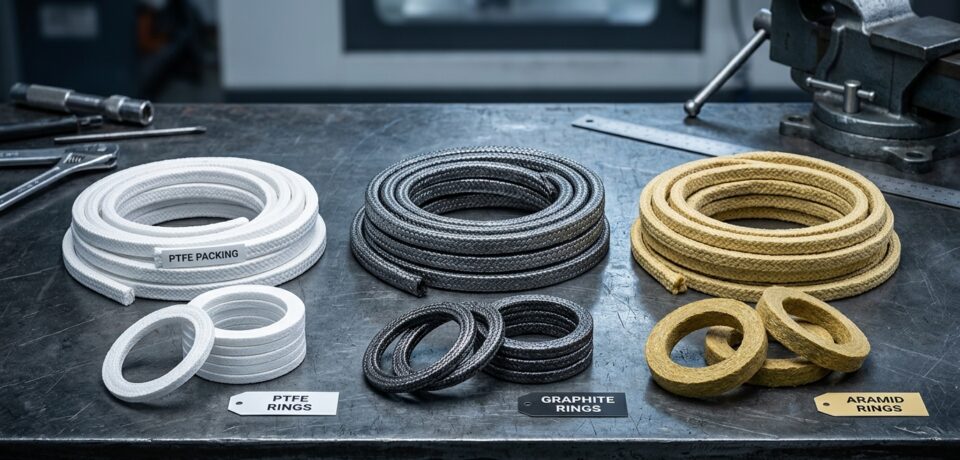
As an authorized distributor of Uni Klinger Limited, Samir Trading Corporation supplies the complete range of Non-Asbestos Gland Packings across Maharashtra and Central India. From PTFE and graphite packings to aramid fibre and synthetic fibre solutions, we have the right packing material for every application — backed by technical expertise to help you choose and install correctly.
“The right gland packing, correctly installed, is one of the most cost-effective ways to protect your rotating equipment, prevent product loss, and maintain a safe working environment in your facility.”
Samir Trading Corporation
Choosing Right and Installing Correctly Makes All the Difference
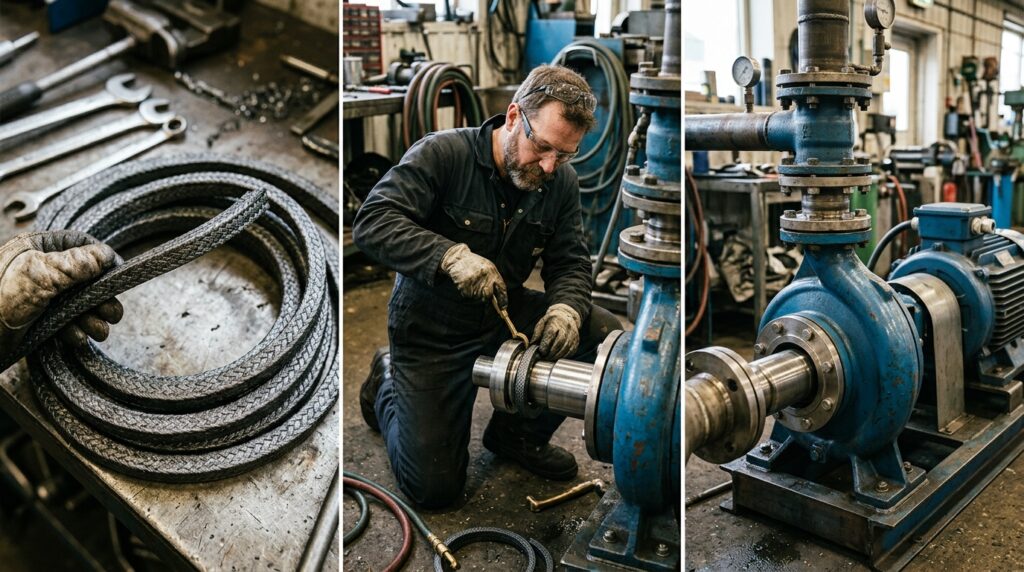
PTFE packing for chemical resistance. Graphite packing for extreme heat and pressure. Aramid fibre for abrasive high-pressure services. Each material has a specific role, and matching the packing to the application is critical. Equally important is correct installation — staggered joints, gradual gland tightening, and allowing a controlled drip for lubrication are best practices that separate a reliable seal from a recurring maintenance headache.
The Role of Water Treatment Chemicals in Keeping Your Plant Running Efficiently
- marketolytics
- February 19, 2026